
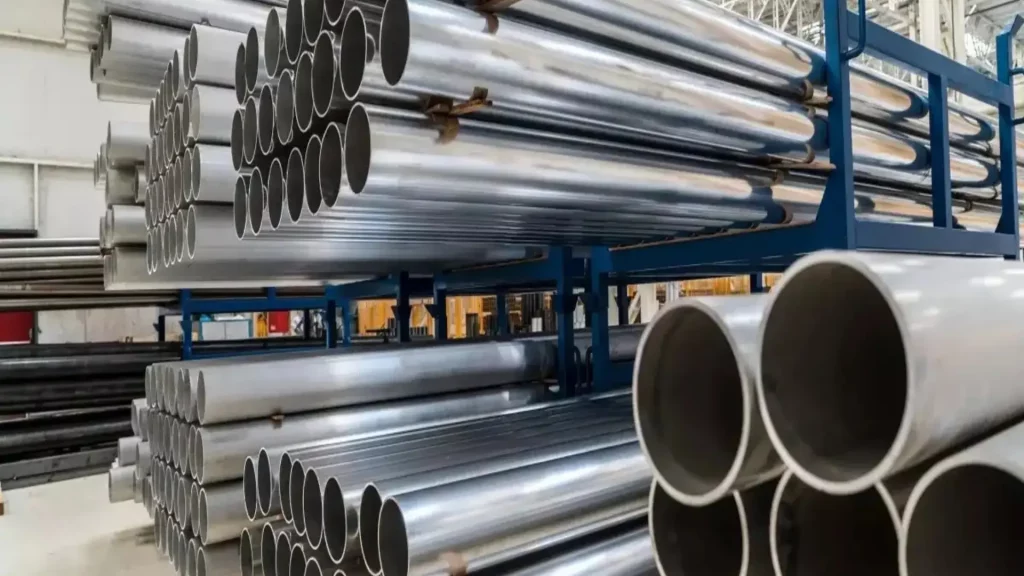
Searching for a steel supplier UK usually means you need one (or more) of these outcomes: reliable grades, fast lead times, accurate cut-to-size, and a supplier who can help you avoid mistakes on spec.
This guide shows what to check before you place an order and what to send so you get a fast, accurate quote.
If you already have a cut list or drawing, start here: Service Request.
1) Start with the real requirement (not just steel )
Steel orders go wrong when the requirement is vague. Before you contact suppliers, define:
- What form you need: sheet, plate, bar, tube, beam/section
- Whether it’s structural, general fabrication, or a wear/impact application
- Indoor vs outdoor use (corrosion protection matters)
- Whether you need cut-to-size, holes, or profiling
- Quantity and whether it’s a one-off or repeat batch
Even a short message like base plates for outdoor posts or brackets for a machine guard helps the supplier recommend the right option.
2) What a good UK steel supplier should offer
When comparing suppliers, look for these practical capabilities:
- Stock availability (common sizes ready to go)
- Fast quoting with clear assumptions
- Cut-to-size (so you’re not paying for waste)
- Profile cutting for holes/slots/cut-outs
- Consistent quality and traceability where required
- UK-wide delivery with realistic lead times
BMSS supports supply plus in-house processing and fabrication. If you need more than raw stock, see Our Services.
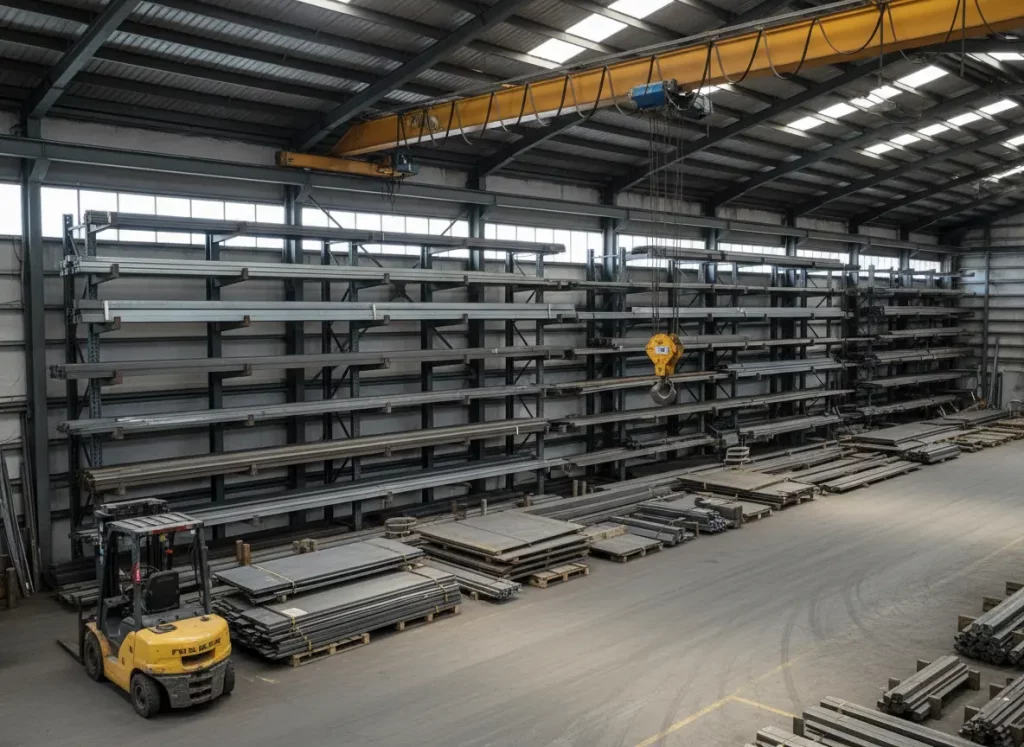
3) Lead times: what to ask (so the job doesn’t slip)
Lead time isn’t just when it delivers, it’s whether the supplier can meet your deadline with processing included.
Ask:
- Is the material in stock?
- What’s the cut/processing queue time?
- When can it be dispatched after payment?
- Can delivery be scheduled around site access?
If you’re working to a deadline, include it in the first message.
4) Cut-to-size vs profiled parts (and when it matters)
If you only need rectangles/squares, cut-to-size is usually straightforward.
If you need holes, slots, radii, or repeatable profiles, it’s better to quote it as a cut part via:
This is where you avoid measure twice, drill once rework on site.
5) Tolerances and hole positions: call out what’s critical
You don’t need tight tolerances everywhere you need accuracy where it affects fit.
Good practice:
- Identify critical dimensions (what must be exact)
- For holes, specify diameter and position from a clear datum
- If parts must align, send a drawing (PDF is fine; DXF is even better)
6) Finishing and corrosion protection (especially outdoors)
If steel is going outdoors, finishing often determines lifespan.
Common options depend on the application, but the key is to specify:
- Exposure (outdoor, coastal, wet/dirty)
- Whether it will be painted, coated, or galvanised
Overview: Metal Finishing UK.
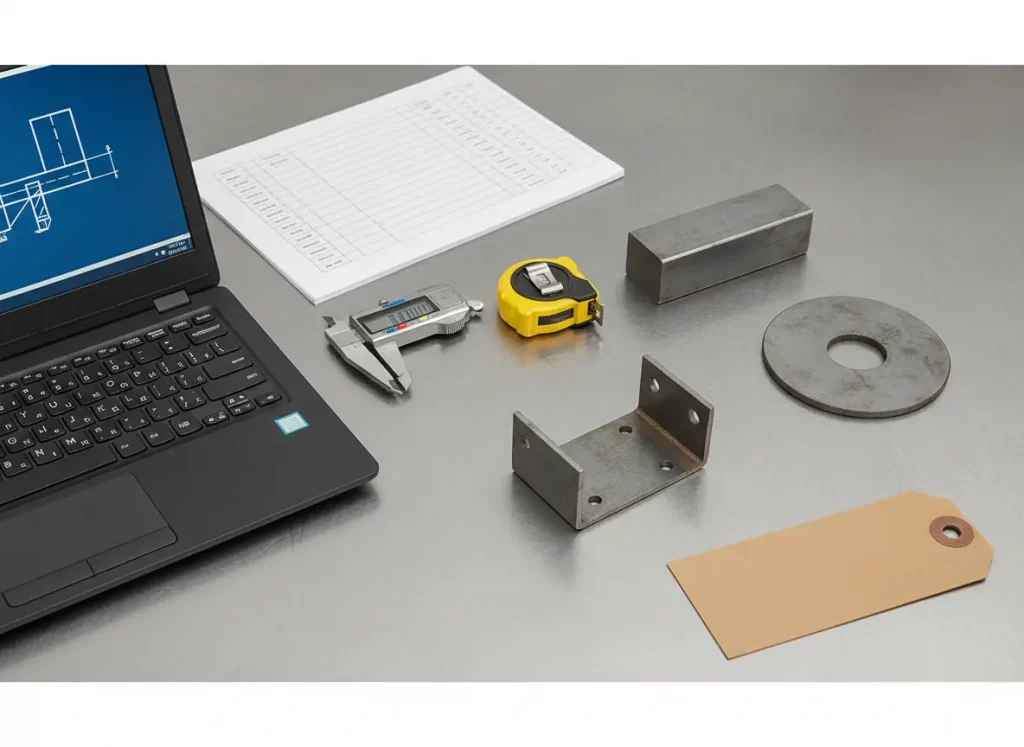
7) When to choose a supplier who can fabricate as well
If your order is heading towards a welded assembly, bracket set, frame, or formed component, using separate suppliers for material + fabrication can add time and risk.
BMSS can support:
This is often the simplest way to keep tolerances consistent across parts.
8) What to send for a fast quote (copy/paste checklist)
Send this and you’ll usually get a faster, cleaner quote:
- Material form (sheet/plate/bar/tube/beam)
- Grade (or application so we can advise)
- Sizes (cut list) and thickness
- Quantity
- Any holes/slots/cut-outs (drawing preferred)
- Finish requirement (if outdoor)
- Delivery postcode + deadline
Submit here: Service Request.
Common mistakes when choosing a steel supplier
- Ordering on price alone (then losing time on delays or rework)
- Not confirming stock availability before committing to a deadline
- Sending hole positions without a clear datum
- Forgetting corrosion protection outdoors
- Using separate vendors for material and fabrication when one supplier could do both
Next step
If you want a quote, send your cut list/drawing and tell us what the steel is for. We’ll help confirm a practical grade, processing route, and lead time.
Start here: Service Request.