
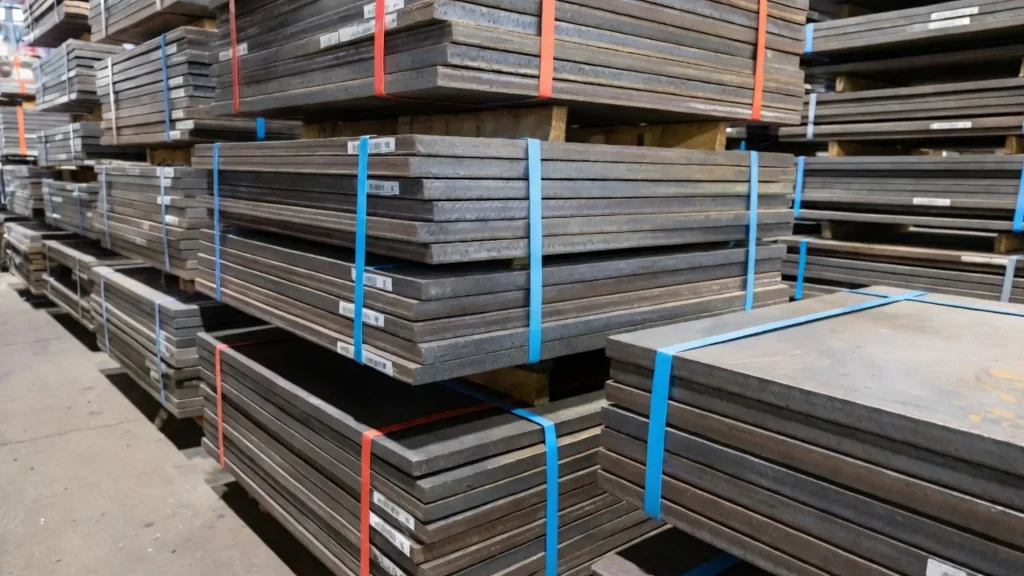
If you need mild steel sheet cut to size, the main goal is usually simple: get the right size, the right thickness, and the right finish without paying for waste or extra processing later.
Mild steel sheet is a practical choice for brackets, panels, covers, guards, backing plates, fabrication work, and general workshop use. It is cost-effective, easy to work with, and suitable for a wide range of one-off and repeat jobs.
If you already have dimensions or a drawing, you can send them here: Service Request .
1) When mild steel sheet is the right choice
Mild steel sheet is usually the best fit when you need:
- Good strength at a sensible cost
- Easy welding and fabrication
- A material that can be drilled, cut, bent, and finished easily
- Panels, guards, brackets, covers, or general-purpose fabricated parts
If the part is going outdoors or into a damp environment, the material itself is often fine, but the finish and corrosion protection need proper attention.
2) Thickness matters more than most buyers expect
A common mistake is choosing sheet based only on length and width, without thinking enough about thickness.
Thickness affects:
- How stiff the sheet feels
- Whether it flexes in use
- Weight
- Weldability and fabrication behaviour
- Whether it feels solid or flimsy once installed
For larger panels or covers, going too thin can lead to flex and vibration. For brackets or fabricated parts, thickness also affects strength and how the part performs once fixed in place.
3) Cut to size: simple blanks or profiled parts?
There are two main ways people order mild steel sheet:
- Simple cut blanks such as rectangles and squares
- Profiled parts with holes, slots, cut-outs, radii, or shaped edges
If you only need straight cut pieces, the process is straightforward. If the part needs more detail or repeatable accuracy, it is usually better to quote it as a cut component using:
This is especially useful when holes need to line up or the part needs to fit into a larger assembly.
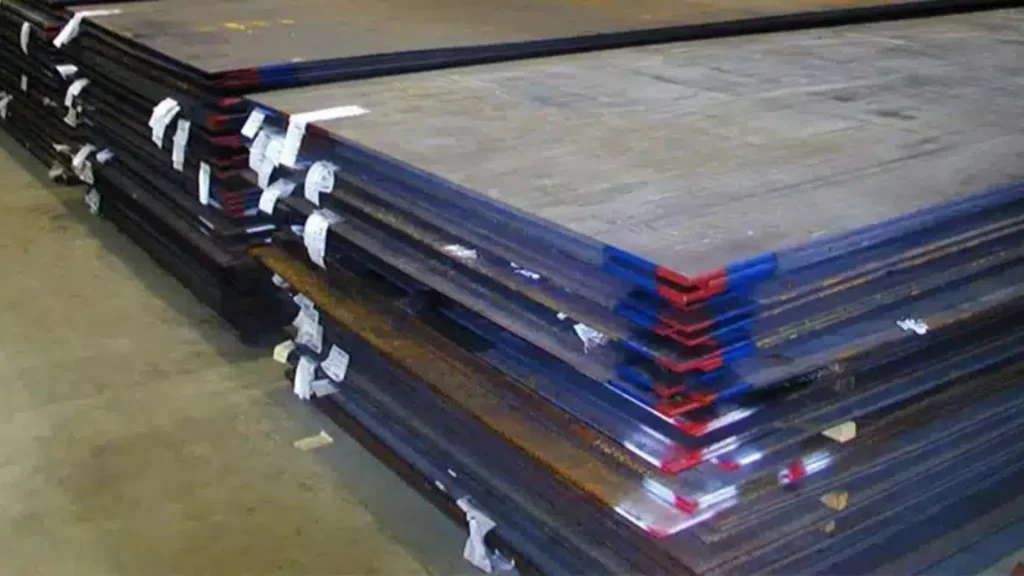
4) Rust protection: the key issue with mild steel
This is the most important difference between mild steel and stainless or aluminium.
Mild steel is strong and versatile, but if it is exposed to moisture, it will need some form of protection. Depending on the application, that may mean:
- Painting
- Powder coating
- Priming before installation
- Another suitable protective finish
If the part is for outdoor use, a workshop, plant area, or anywhere damp, it is worth deciding on the finish before ordering.
For finishing options, see Metal Finishing UK .
5) Edge quality and safety
Even simple cut mild steel sheet can have edges that need attention, especially if the parts will be handled regularly or installed in visible areas.
You may want to specify:
- Rounded corners where needed
- Cleaner edges for customer-facing or visible parts
This helps with both safe handling and a better finished result.
6) If the part also needs bending or fabrication
Many mild steel sheet jobs start as a flat blank but end up needing folds, returns, welded tabs, or assembly work.
If that is the case, BMSS can support beyond supply alone:
This can save time compared with sourcing material from one supplier and fabrication from another.
7) What to send for a fast, accurate quote
To speed up quoting, send:
- Length x width
- Thickness
- Quantity
- Whether the part is indoor or outdoor
- Any holes, slots, or cut-outs
- A drawing if available
- Delivery postcode and deadline
Submit details here: Service Request .
Common mistakes to avoid
- Choosing thickness based only on price
- Forgetting rust protection for outdoor or damp environments
- Not specifying whether the part is a simple blank or a profiled part
- Sending hole positions without a clear reference point
- Ordering flat blanks when the job really needs bending or fabrication too
Next step
If you send your sizes or drawing and explain where the part will be used, you will usually get a faster quote and a more practical recommendation on thickness and finish.
Start here: Service Request .