
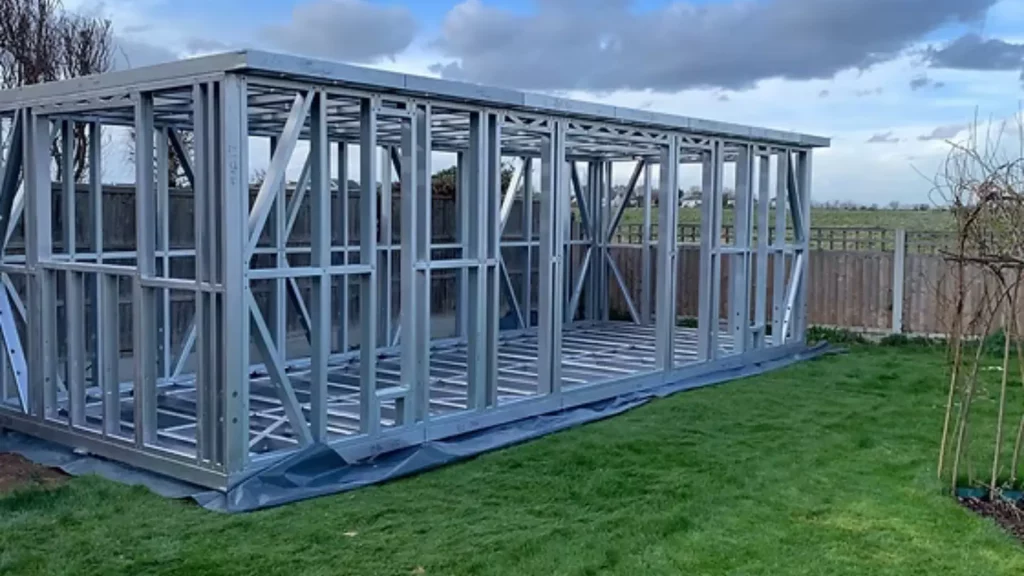
A garden room can be anything from a simple summer space to a fully insulated garden office you use every day. This guide walks through the build in a practical order, highlights the decisions that cause the most problems, and shows where getting cut-to-size metal parts can save time and improve durability.
If you already have a sketch, cut list, or dimensions and want pricing for any metal parts, you can submit details here: Service Request.
Step 1: Decide what the garden room needs to do
Before you buy materials, decide these basics:
- Use case: office, gym, studio, storage, guest space
- All-year use: if yes, plan for insulation, vapour control, heating, and ventilation
- Noise: do you need sound reduction (music, calls, machinery)
- Power: sockets, lighting, data, and whether you need an armoured supply
This step drives your wall thickness, insulation spec, and whether you need a more robust base and frame.
Step 2: Planning permission (quick checks)
Many garden rooms are built under permitted development, but rules vary by property and location.
Practical approach:
- Treat this as a check-first step, not an afterthought
- If you’re unsure, confirm with your local authority or a qualified professional
(We keep this section high-level on purpose—planning can be very site-specific.)
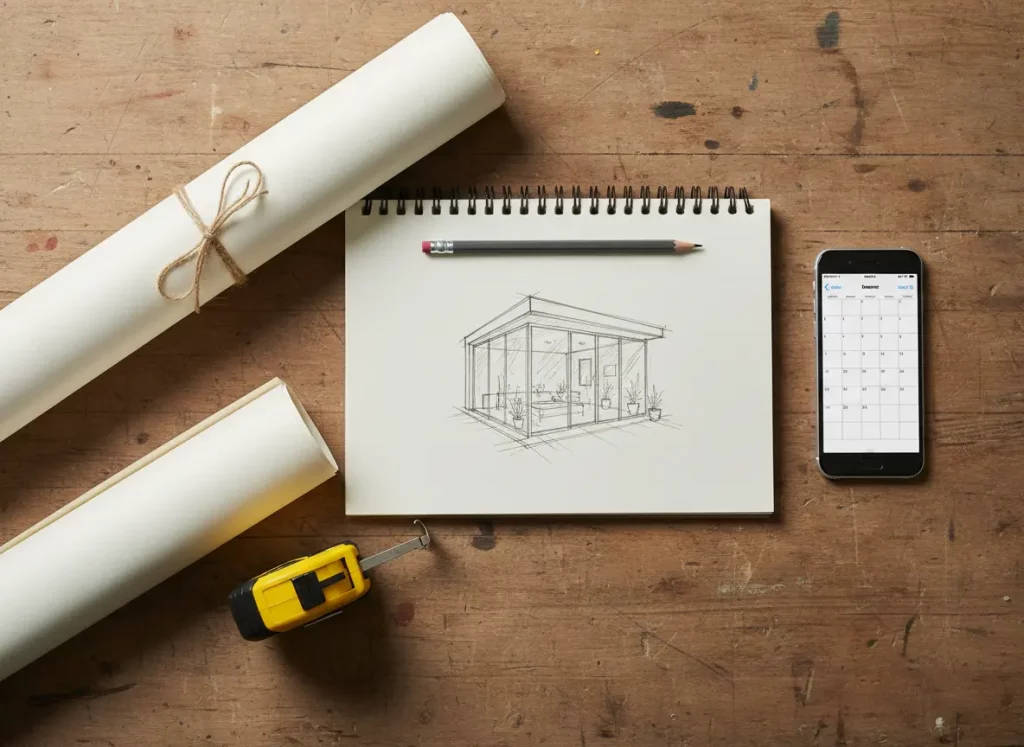
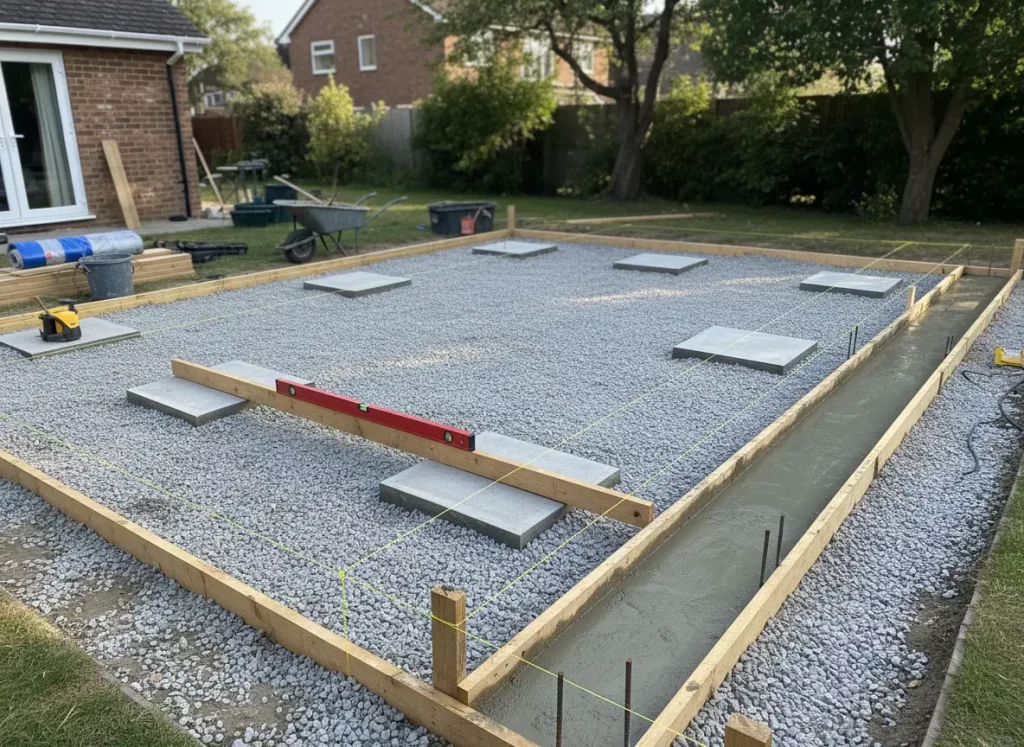
Step 3: Choose the base (most garden-room issues start here)
Your base needs to be:
- Level
- Stable
- Suitable for the weight and footprint
- Designed for drainage (standing water causes long-term problems)
Common base options:
- Concrete slab: robust, good for heavy loads, but more disruptive and permanent
- Concrete pads / strip foundations: can work well if designed properly
- Ground screws: fast and less messy, but need correct layout and ground conditions
Where BMSS can help at the base stage
If you’re using ground screws, pads, or a raised base, you often need:
- Base plates
- Brackets and fixings plates
- Cut-to-size sections for edge support or subframe members
If you have a sketch or dimensions, you can request cut-to-size parts here: Service Request.
Step 4: Frame choice (timber vs steel vs hybrid)
Most garden rooms use timber framing because it’s accessible and easy to work with. Steel or hybrid framing can make sense when you want:
- Longer spans
- Slimmer structural members
- High stiffness (less movement)
- Durable external supports or subframes
Where BMSS can help at the framing stage
Even if your main frame is timber, metal is commonly used for:
- Brackets, corner plates, gussets (stiffening and alignment)
- Posts, beams, or subframes where you want strength in a compact size
- Custom supports for steps, thresholds, or heavy doors
If you need assemblies made up, BMSS can support with Metal Fabrication.
Step 5: Insulation + vapour control (avoid condensation)
If you want a garden room that feels comfortable year-round, condensation control matters as much as insulation.
Key ideas (simple version):
- Insulation slows heat loss
- Warm indoor air carries moisture
- When moist air hits a cold surface inside the wall/roof build-up, it can condense
Practical steps:
- Choose an insulation spec appropriate for your use
- Include a vapour control layer where required
- Ensure ventilation is planned (especially for offices/gyms)
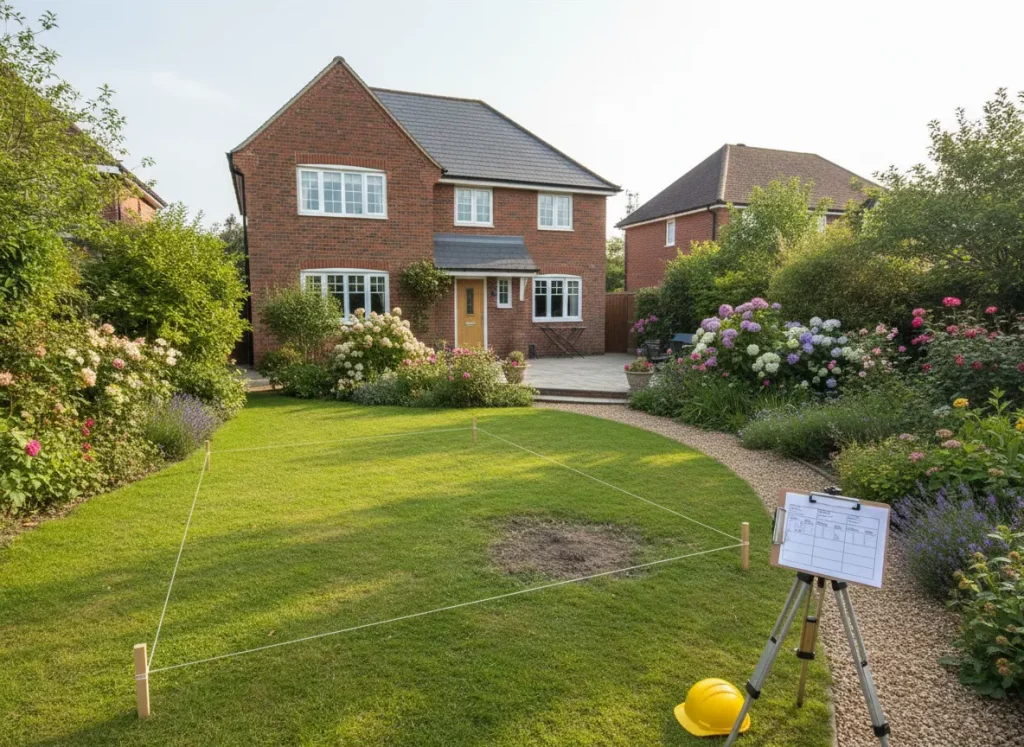
Step 6: Cladding + roof (weatherproofing details that prevent rework)
Most long-term problems come from water management details, not the cladding material itself.
Focus on:
- Roof fall and drainage (where does water go?)
- Edge details and junctions (roof-to-wall, corners)
- Flashings where needed
- Keeping the base area protected from splashback
Where BMSS can help on weatherproofing details
Custom metal parts are often used for:
- Flashings
- Drip edges
- Trims and corner protection
- Threshold plates
If you need accurate profiles, consider Laser Cutting or CNC Cutting.
Step 7: Doors, windows, and security
Doors and glazing change how the room feels day-to-day.
Consider:
- Thermal performance (especially for offices)
- Security and locking
- Threshold details (water ingress is common here)
Metal thresholds and support plates can improve durability in high-traffic areas.
Step 8: Electrics (plan early)
Even if you’re not fitting everything immediately, plan cable routes early.
- Decide where sockets, lights, and data will go
- Plan how the supply will be run safely
- If you’re unsure, use a qualified electrician
Common mistakes (and how to avoid them)
These are the issues that most often cause rework:
- Base not level (everything else becomes harder)
- No drainage plan (water pooling and damp)
- Under-specced insulation for year-round use
- Missing vapour control / ventilation (condensation and mould)
- Weak junction details at corners, roof edges, and thresholds
- Wrong fixings/material choice outdoors (corrosion over time)
Quick checklist: what to measure if you want metal parts cut to size
If you want BMSS to supply cut-to-size parts for a garden room build, send:
- A simple sketch or drawing (PDF is fine)
- Material preference (or tell us the use: outdoor exposure, coastal, painted, etc.)
- Thickness and quantity
- Hole positions (if needed) and any critical tolerances
- Delivery postcode and deadline
Submit details here: Service Request.
Next step
If you tell me your garden room size and whether it’s a summer room or all-year office, I can suggest the most common places metal parts help (base plates, brackets, trims, thresholds) and what to measure first.